
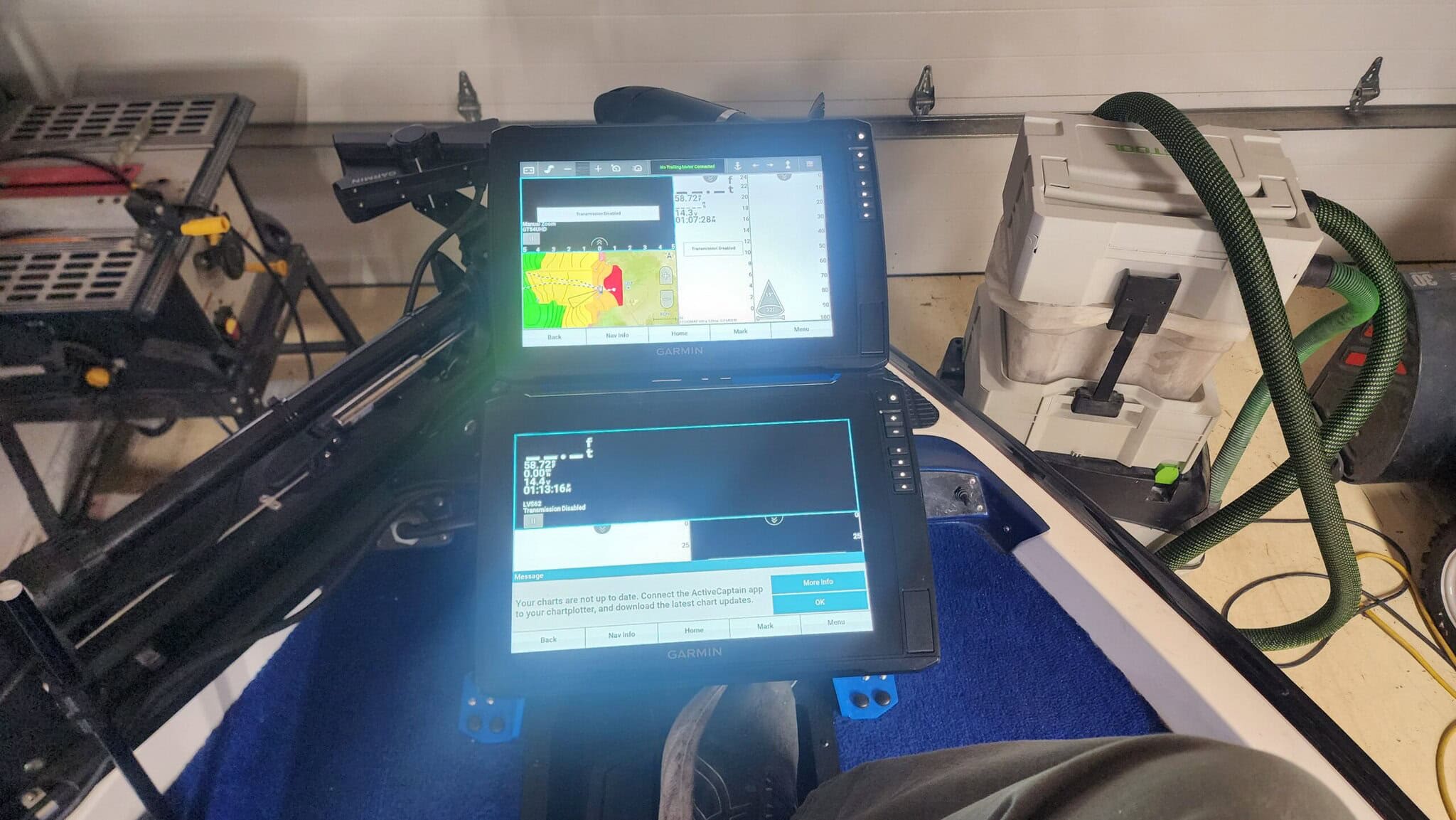
Marine Fish Finder Installation on Long Island
A fish finder is only useful if it is installed correctly — right transducer, right location, right wiring. LIME installs marine fish finders across Nassau and Suffolk County, from basic depth sounders to networked CHIRP and LiveScope systems on serious fishing boats.
Whether you are adding a fish finder to a center console for the first time or upgrading a full sportfish helm to live sonar, LIME handles the display mount, transducer placement, power wiring, and NMEA 2000 integration — tested before we leave your boat.

See What Is Below You
What a marine fish finder actually shows you.
A marine fish finder uses sonar to paint a picture of the water column below and around your boat. You see the depth, the bottom composition (hard vs. soft), the bottom structure (ledges, rocks, wrecks), suspended fish targets, baitfish schools, and in modern units — real-time video-quality images of fish moving in the water. For Long Island anglers targeting striped bass, bluefish, fluke, and tuna, this information is the difference between finding fish and driving around hoping.
The display is only half the system. The transducer — the underwater sensor — determines what the display can actually see. A high-end Garmin display paired with a basic transducer gives you basic information. The right transducer matched to the right display unlocks the full capability of the unit. LIME specifies both together and installs the complete system as a matched pair.

Sonar Technology
Traditional, CHIRP, side imaging, down imaging, and LiveScope — what each one does.
Not all sonar is the same. Here is what each technology offers and who needs it.
CHIRP Sonar
Transmits a range of frequencies rather than a single pulse. Result: better target separation and clearer bottom detail, especially at depth. The standard for any serious fishing on Long Island Sound or offshore.
Side and Down Imaging
Wide-angle sonar that produces near-photographic images of structure beside and below the boat. Exceptional for locating wrecks, reefs, and bait concentrations. Requires a specific transducer head with multiple sonar elements.
Garmin LiveScope
Real-time live sonar showing fish moving in the water column right now — not historical echoes. Game-changing for inshore fishing, jigging, and sight-fishing in shallow water around Long Island bays and inlets.

Choosing Your Setup
Standalone fish finder vs combo chartplotter — which is right for your boat?
A standalone fish finder is dedicated entirely to sonar — no navigation, no charts. It is the right choice when you want maximum screen real estate for sonar at a specific station, like a bow-mount or a second cockpit position. Combo units combine GPS chartplotter and fish finder in one display and are the most popular choice for center consoles and walkarounds because one screen handles both navigation and fishing.
For serious sportfish boats with dedicated fishing stations, LIME often installs a combo unit at the helm for navigation and standalone sonar units at additional fishing positions, all networked so one transducer feeds every screen. The right layout depends on your boat design and how you run offshore. LIME will walk you through the options before you buy anything.
Brands We Install
Marine fish finder brands LIME installs on Long Island.
Garmin GPSMAP and EchoMap
The most popular fish finder brand on Long Island. GPSMAP 8000 series for serious sportfish boats, EchoMap UHD for center consoles. LiveScope and CHIRP support across the lineup. LIME is experienced with the full Garmin ecosystem.
Lowrance HDS and Hook
HDS Pro and HDS Live for tournament anglers. Hook Reveal for budget-conscious installs that still deliver solid CHIRP performance. Active Imaging 3-in-1 transducer is an excellent value for inshore Long Island fishing.
Humminbird and Furuno
Humminbird HELIX and SOLIX with MEGA Imaging for exceptional shallow-water detail. Furuno GP-1971F and GP-1871F for offshore boats that want professional-grade sonar with proven reliability in bluewater conditions.
Ready to talk? Or keep reading below.
How We Do It
What LIME does on a fish finder installation.
LIME starts with the display location — flush mount, bracket mount, or RAM mount depending on your helm layout. We verify the mounting surface has adequate depth for the unit, route the power wiring to a fused connection at the breaker panel, and run the transducer cable cleanly from the transom or through-hull to the display with no sharp bends that stress the cable.
We connect the unit to NMEA 2000 when applicable so the fish finder shares GPS position, depth data, and speed with other instruments on the network. Before leaving, we verify the sonar is reading correctly at dock and walk you through the basic settings — frequency, sensitivity, bottom lock — so you leave knowing how to use it.
- Display flush mount, bracket, or RAM mount based on your helm
- Fused power connection at the breaker panel
- Transducer cable run with no sharp bends
- NMEA 2000 integration for shared data
- Sonar test and basic settings walkthrough at dock

Why Long Island Boaters Trust LIME
Our Work
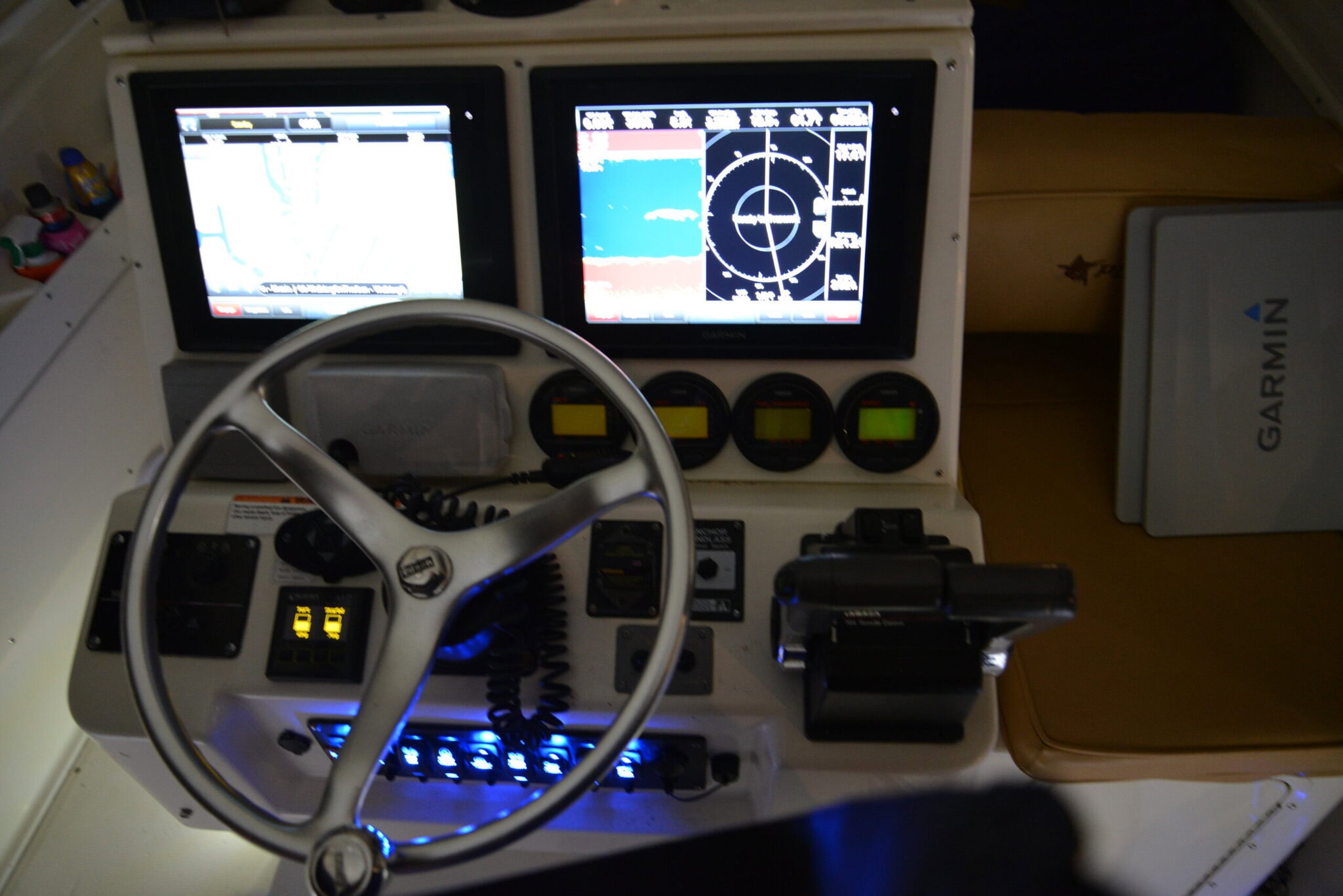
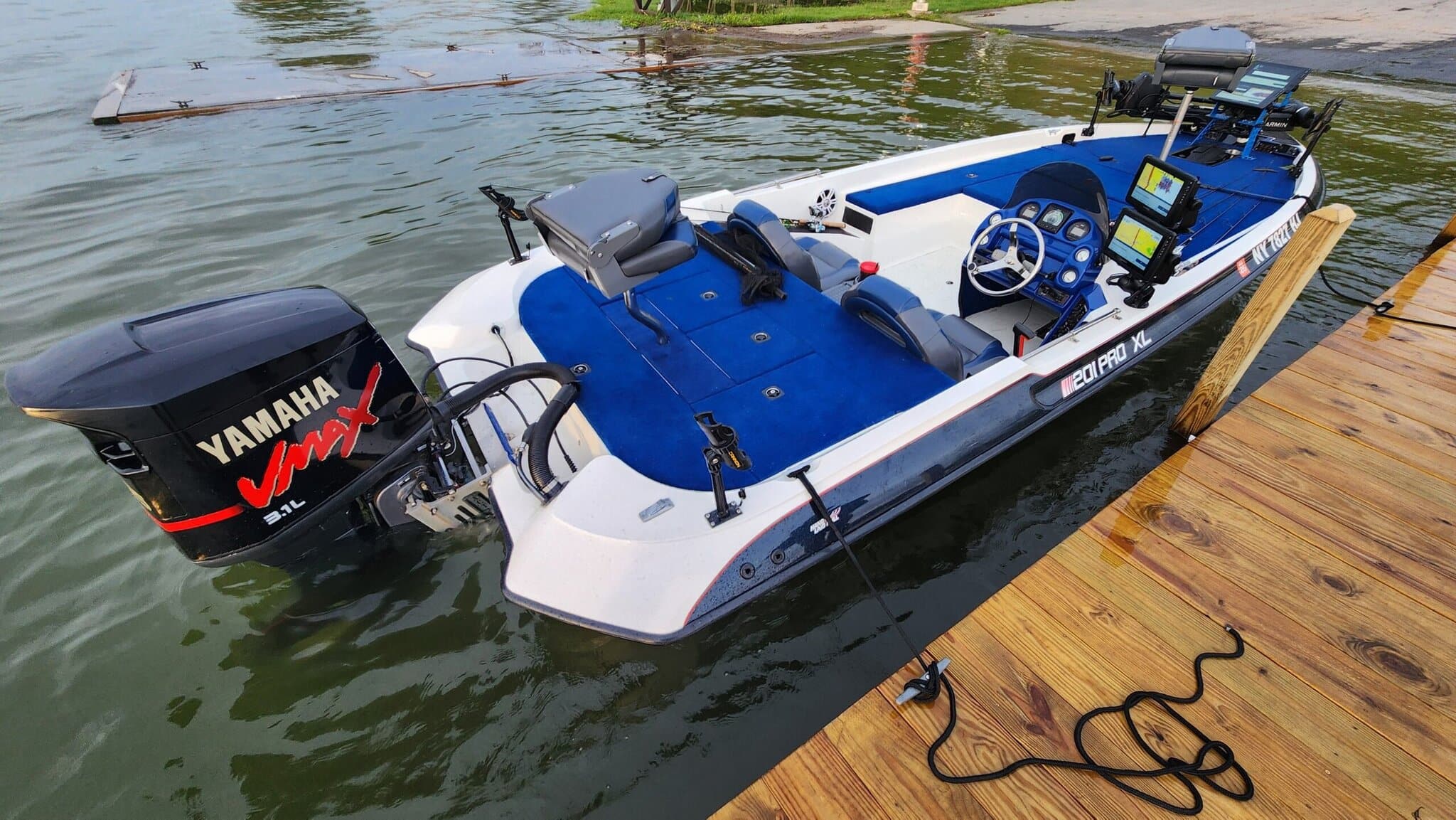
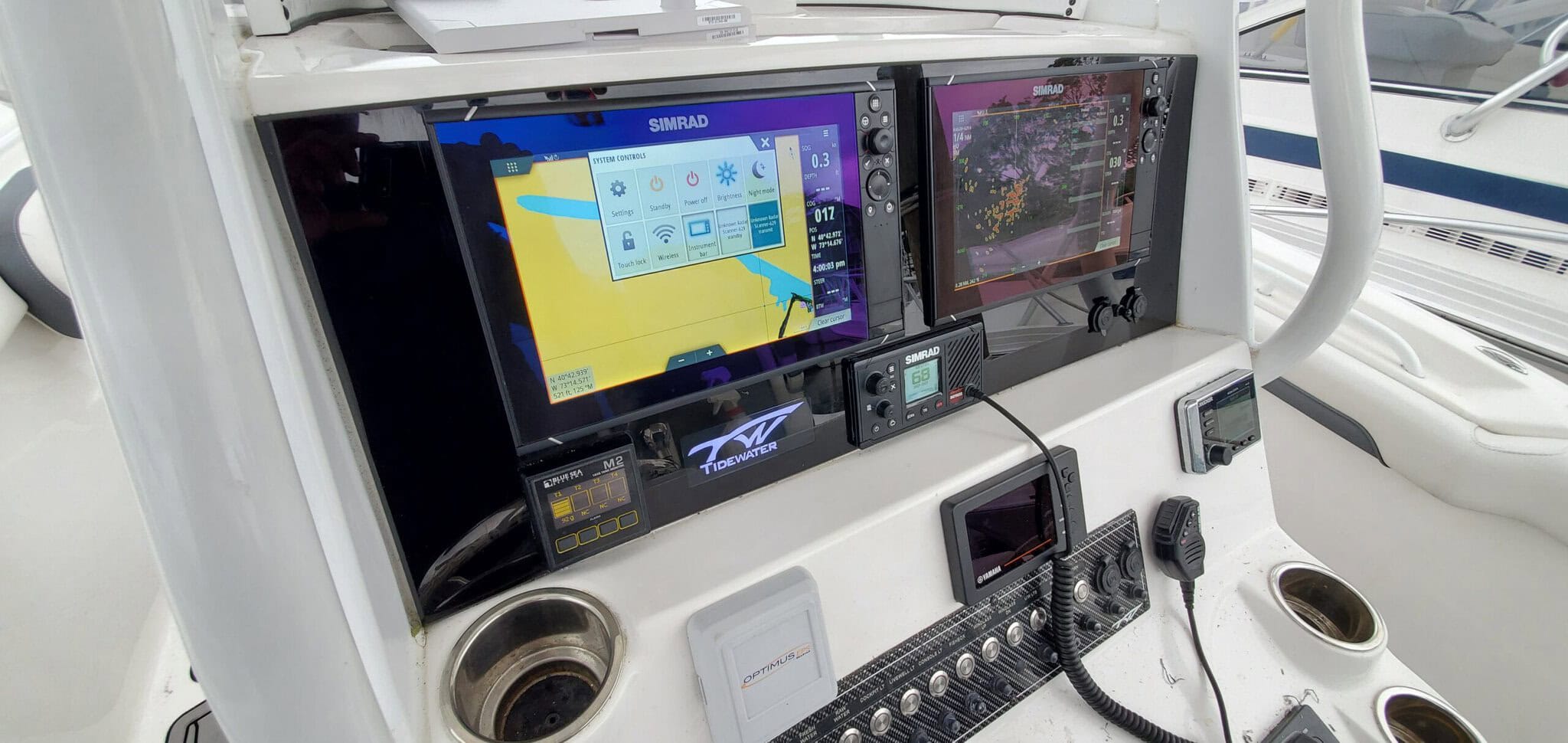
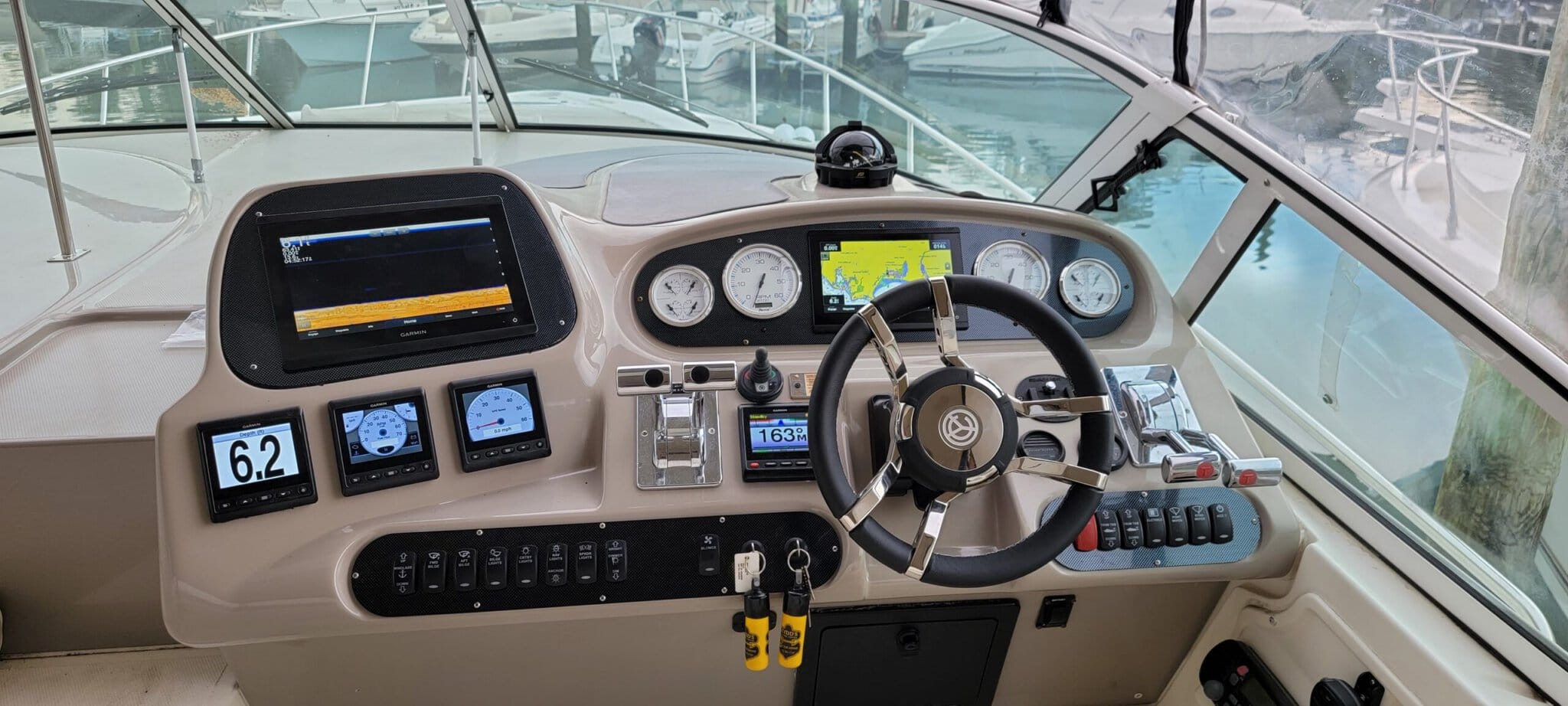
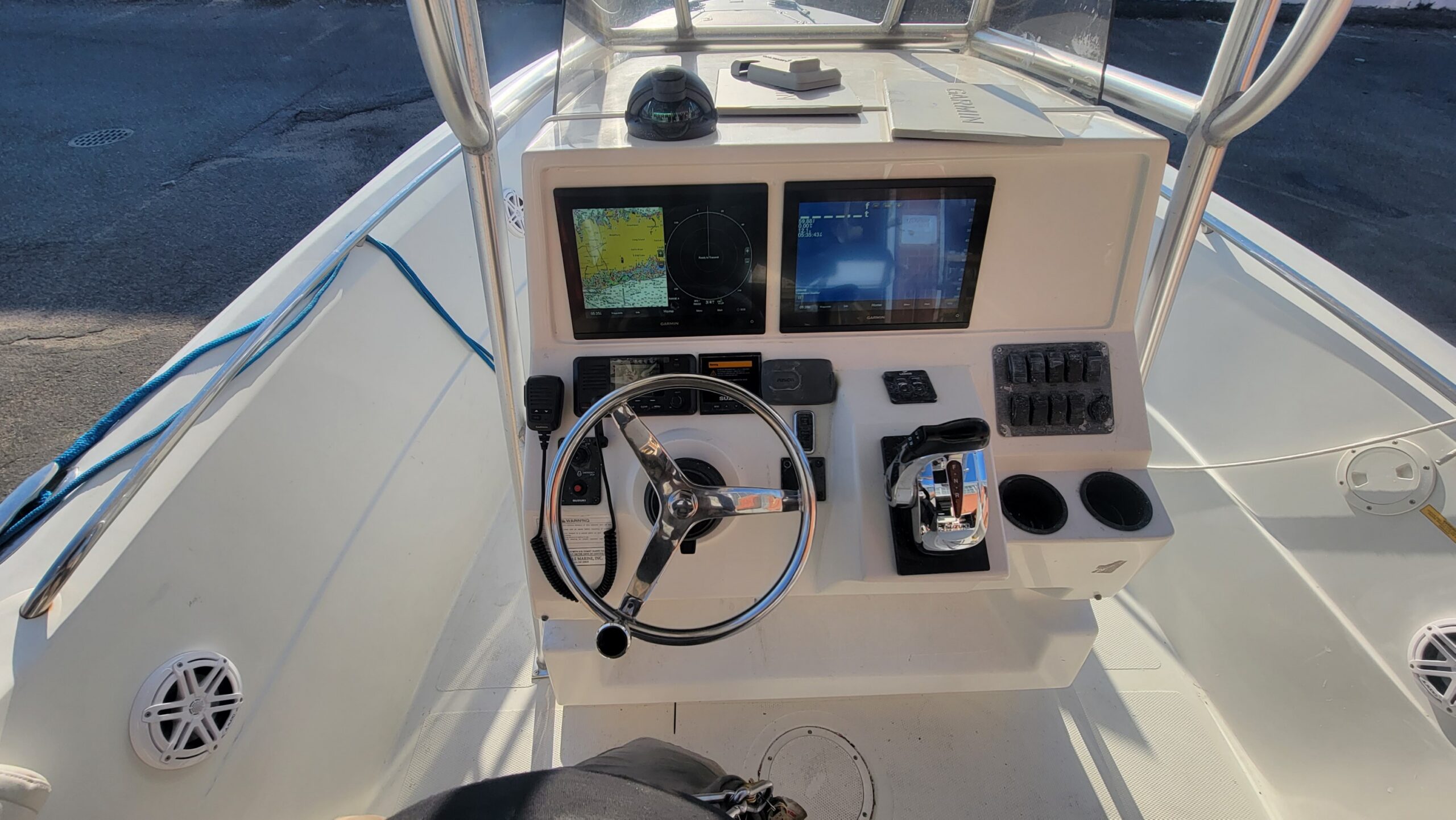
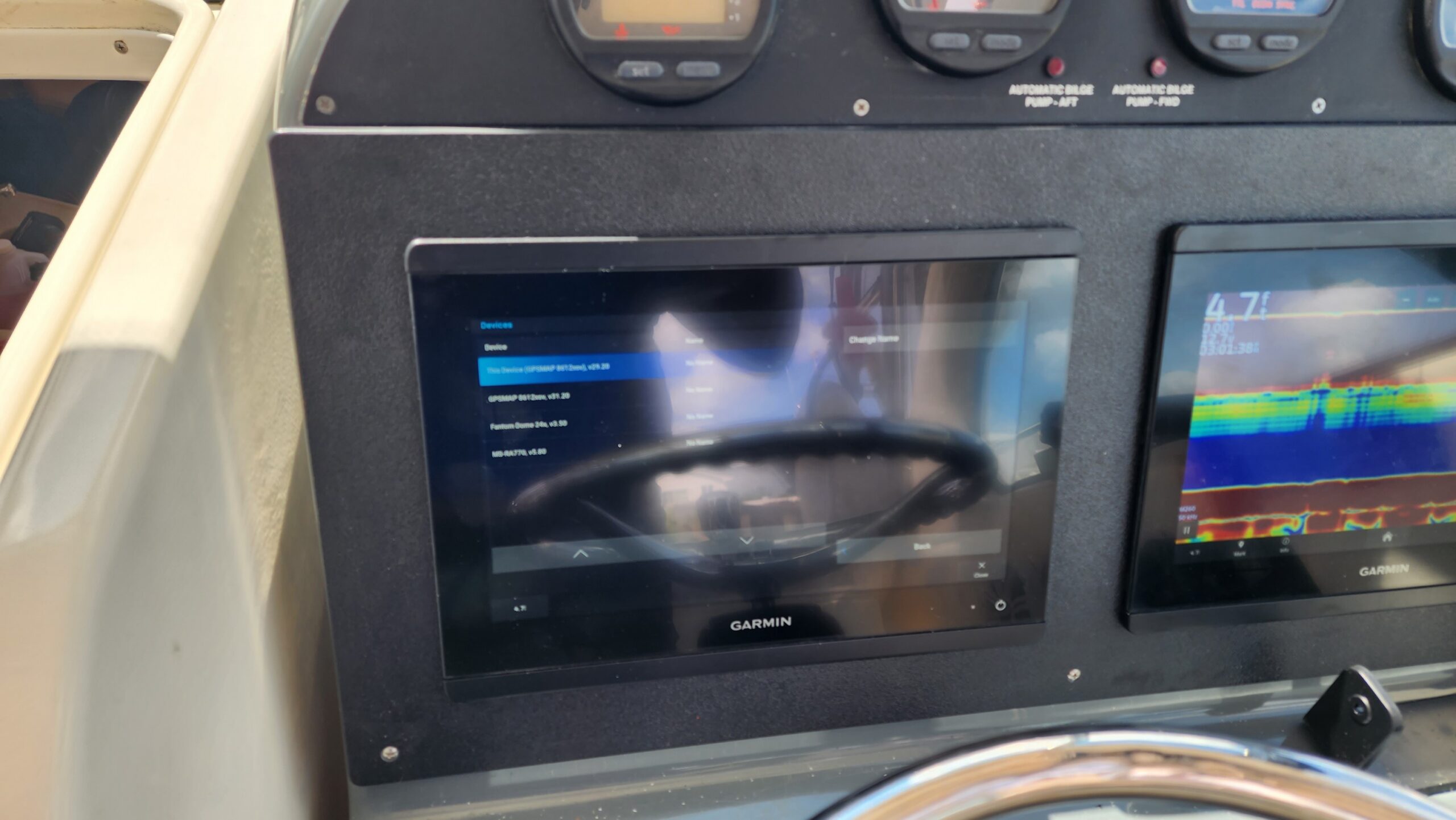
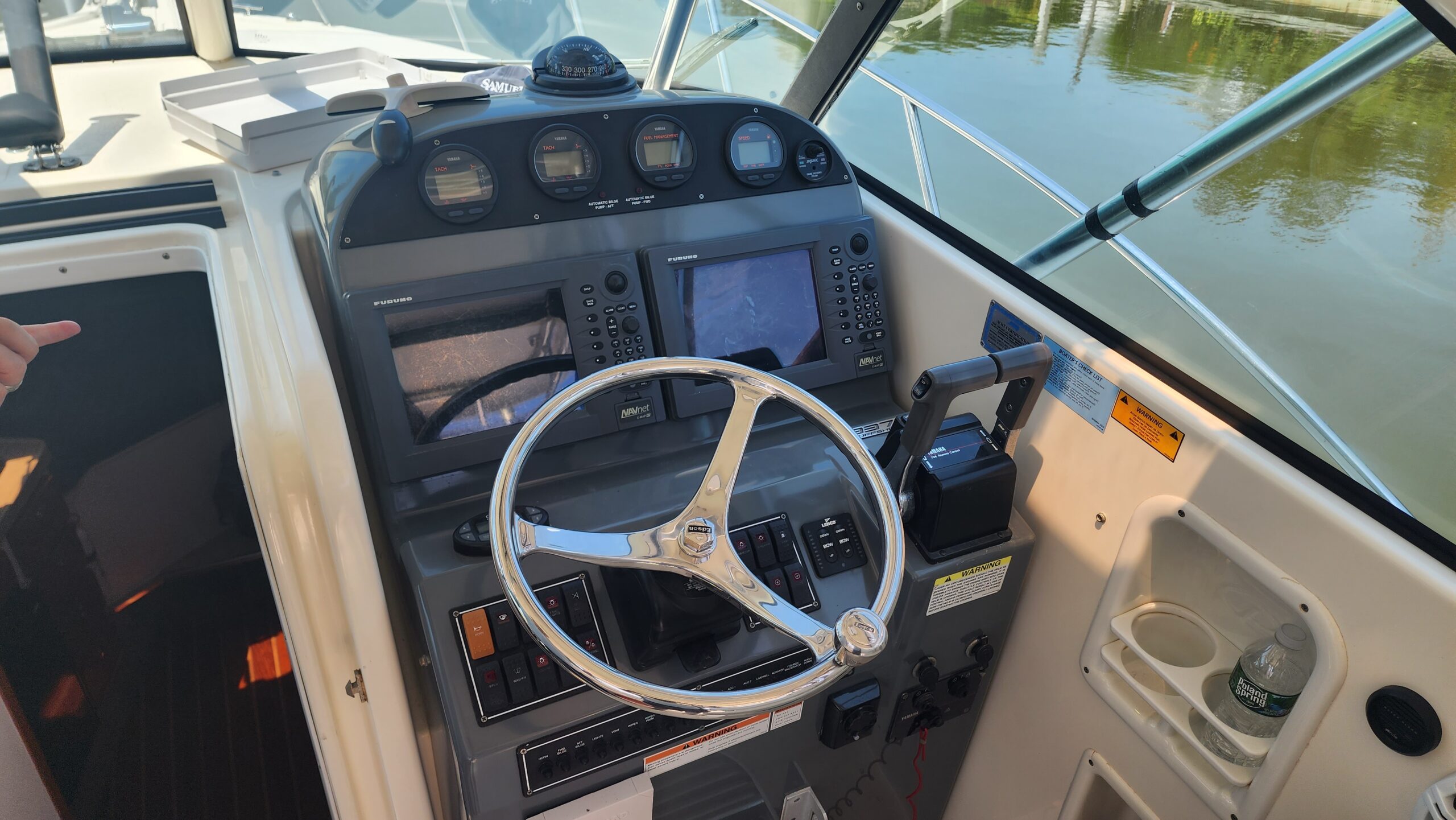
Recent marine fish finder installations on Long Island.
Real jobs across Nassau and Suffolk County — installed correctly, tested before we leave.

5-Star Google Reviews
What Long Island anglers say about LIME.
★★★★★ Tommy C.
"On time. Knowledgeable. Dependable. Reasonable."
★★★★★ Peter Z.
"The owner, Dave, suggested that I bring my kayak down to his shop so that he could diagnose the problem. He meticulously labeled the interior wiring and quickly determined the source of the malfunction. He was courteous, knowledgeable and provided professional service."
★★★★★ Vanessa O.
"David is the ultimate professional. He installed a new radar and AIS on our boat in up state New York. He knows all the systems and is able to troubleshoot and provide solutions. No job is too big or too small. Highly recommend him!"
Common Questions
Frequently asked questions about marine fish finder installation on Long Island.
What is the difference between a fish finder and a chartplotter?A fish finder shows what is below and around the boat using sonar — depth, bottom structure, fish targets. A chartplotter shows where you are on a navigational chart. Most modern units combine both in one display. LIME installs standalone fish finders, combo units, and networked systems where one transducer feeds multiple displays.
A fish finder shows what is below and around the boat using sonar — depth, bottom structure, fish targets. A chartplotter shows where you are on a navigational chart. Most modern units combine both in one display. LIME installs standalone fish finders, combo units, and networked systems where one transducer feeds multiple displays.
How do I know which fish finder is right for my boat?
Screen size, mounting location, and how you fish are the main factors. A 9-inch unit works well on most center consoles. Larger sportfish boats often run 12- to 16-inch screens at the helm. If you are serious about fishing offshore, you want CHIRP sonar and LiveScope or Active Imaging capability. LIME recommends based on your boat and how you use it.
What is Garmin LiveScope and do I need it?
Garmin LiveScope is a real-time, live sonar system that shows fish moving in real time — not historical echoes. It is exceptional for inshore fishing, jigging over structure, and sight-fishing in shallow water. It requires a specific LiveScope transducer and a compatible Garmin display. LIME installs and configures the full system.
Can I network multiple fish finder displays on my boat?
Yes. Garmin, Lowrance, Simrad, and Humminbird all offer networking so one transducer feeds multiple displays throughout the boat — helm, tower, cockpit. LIME designs and installs the network backbone using NMEA 2000 or the manufacturer's proprietary network so every screen shows the same data.
How long does fish finder installation take?
A single display with a transom-mount transducer typically takes 2 to 3 hours. Adding a through-hull transducer adds 1 to 2 hours. A networked multi-display system on a larger boat can take a full day. LIME gives you fair pricing up front — $280 first hour with travel included, then $140/hr.
Does LIME sell fish finders or just install them?
Yes. LIME supplies every fish finder, transducer and part we install, and we only install equipment we supply, because we cannot stand behind hardware we did not source. We help you choose the right unit for your boat and how you fish, then supply it, install it and network it. Parts are billed at cost plus markup, the equipment carries the manufacturer’s warranty, and our labor carries a 60-day warranty.
Get Started Today
Ready to get your fish finder installed right on Long Island?
Call LIME for fair pricing up front. We install the complete system — display, transducer, power, and network — and test it before we leave. Nassau and Suffolk County.